Define what needs to be different
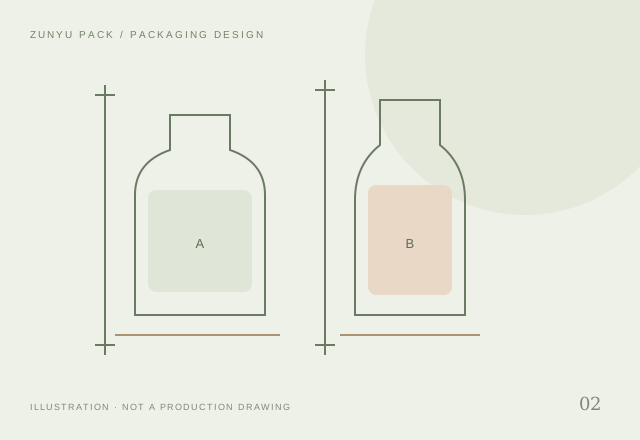
Decide whether you need a unique silhouette or whether colour, closure and graphics can establish the brand. Existing tooling can still support visual differentiation. A bespoke tool should answer an agreed structural brief rather than simply reproduce an unchecked image.
| Dimension | Existing tooling | Bespoke tooling |
|---|---|---|
| Form | Review available form | Review new geometry |
| Development | Confirm changes and decoration | Define drawings and gates |
| Commitment | Define included work | Separate development and production |
| Repeat orders | Identify revision | Agree tooling responsibilities |
Compare the complete commitment
Compare development work, sampling, evaluation, ownership, maintenance and future modification. Geometry influences tooling work, but a published price from another supplier is not a quotation for your project. Ask what revisions are included and how changes will be assessed.
Discuss repeat production early
Clarify tool ownership, permitted use, maintenance records, storage and repeat-production arrangements in the project documents. If the product is still being validated commercially, compare one existing-tool route with one bespoke route instead of selecting on an initial unit price alone.
Your Project Checklist
- Define the differentiation target
- Separate development and unit costs
- Agree tooling and repeat-order responsibilities
Frequently Asked Question
Does existing tooling mean zero development cost?
Changes, colour work, fixtures, artwork and sampling may still require work.
References and Editorial Note
The resources below provide technical background. The purchasing questions and checklists are compiled by 樽宇包装. Confirm project-specific decisions through drawings, technical evaluation and approved samples.
Sources checked: 19 October 2026